
A dietary rebalancing is measured less by willpower than by the concrete composition of the plate. Proteins, vegetables, complex carbohydrates, quality fats: the distribution among these four families determines both satiety, nutritional intake, and pleasure at the table. The light recipes that work over time share a common point: they respect this balance without requiring hours of preparation.
Nutrition comparison: classic plate vs. rebalanced plate
Comparing a regular unadjusted plate with a rebalanced version allows us to visualize where the gaps are. The table below contrasts two typical evening meals, based on common ingredients.
| Criterion | Classic plate (pasta, industrial tomato sauce, grated cheese) | Rebalanced plate (quinoa, grilled chicken, roasted vegetables, drizzle of olive oil) |
|---|---|---|
| Source of protein | Cheese only (proteins + saturated fats) | Lean chicken (complete proteins, low fats) |
| Vegetable portion | Almost absent (processed sauce) | About half the plate (zucchini, bell pepper) |
| Type of carbohydrates | Refined white pasta | Quinoa (complex carbohydrates, fibers, amino acids) |
| Fats | Grated cheese, fats from the sauce | Virgin olive oil, measured by the spoon |
| Estimated satiety | Quick hunger (glycemic spike then drop) | Prolonged satiety (fibers + proteins) |
The gap lies not in the quantity but in the nature of the ingredients. Replacing white pasta with quinoa and adding a substantial volume of vegetables changes the nutritional density of the meal without reducing its volume. It is on the weight loss page of La Cuisine de Watoote that you can find recipes designed exactly on this principle, with already calibrated proportions.
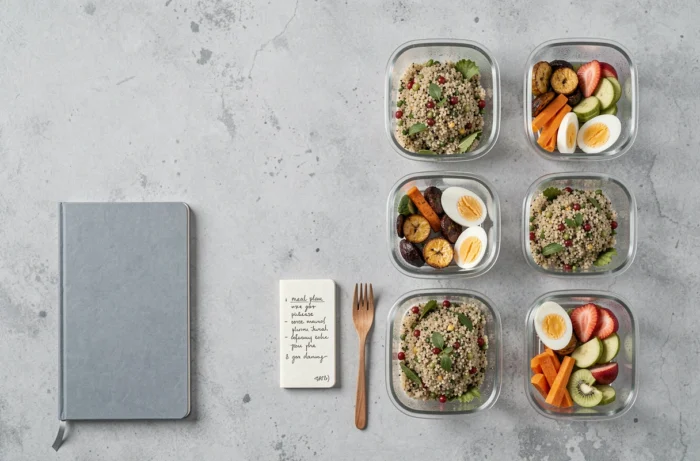
Plant and animal proteins in light recipes: vary without complicating
Most competing articles offer recipes centered around chicken, salmon, or shrimp. These choices are relevant, but they obscure a simple lever: alternate animal and plant proteins throughout the day rather than trying to combine them in every plate.
Lentils at lunch, then brown rice with eggs in the evening, cover amino acid needs without imposing the famous cereal-legume combination at every meal. This flexibility makes cooking faster and shopping less burdensome.
Three concrete combinations to try
- Coral lentil salad, cherry tomatoes, fresh mint, and lemon juice: ready in about fifteen minutes, rich in fibers and plant proteins, ideal for a lunch box
- Chickpea stir-fry with broccoli and low-sodium soy sauce, served with brown basmati rice: a complete meal that requires only one pan
- Spinach and pumpkin seed omelet, served with whole grain bread: eggs provide complete proteins, seeds add interesting fatty acids and crunch
The egg remains one of the most accessible sources of protein in terms of cost, preparation time, and versatility. A vegetable frittata cooks in less than twenty minutes and keeps for two days in the refrigerator.
Dressings and seasonings: the true tasty lever of dietary rebalancing
The most common complaint about light recipes concerns taste. A grilled chicken breast without aromatic accompaniment is not motivating over time. The difference between a plate that one eventually abandons and one that is reproduced weekly often lies in the sauce.
A homemade vinaigrette advantageously replaces industrial sauces that concentrate added sugars and flavor enhancers. Olive oil, lemon juice, whole grain mustard, salt, pepper: five ingredients are enough. Preparing a jar for the week takes less than three minutes.
Quick comparison between store-bought sauces and homemade sauces
| Sauce | Advantage | Limit |
|---|---|---|
| Light industrial vinaigrette | Ready to use | Often contains added sugar and thickeners |
| Homemade vinaigrette (olive oil + lemon) | Total control over ingredients, low cost | Does not keep as long (one week in the refrigerator) |
| Classic soy sauce | Strong umami flavor | High salt content |
| Low-sodium soy sauce + fresh ginger | Same flavor profile, reduced sodium | Fresh ginger does not keep well once grated |
Fresh herbs (basil, cilantro, mint, parsley) transform any simple dish into a gourmet recipe. They add no calories and enhance the flavor palette without resorting to salt.

Nutri-Score and homemade dishes: what this tool really measures
The Nutri-Score is often cited as a reference for eating balanced. Its algorithm was recently updated: it penalizes products high in sugar or salt more and better distinguishes oils and protein sources. This is a step forward for comparing packaged products in the supermarket.
However, the Nutri-Score does not apply to homemade dishes. Its display remains voluntary for manufacturers. It is neither a mandatory label nor a tool for evaluating a meal made from raw ingredients. When you prepare a lentil salad or a vegetable stir-fry yourself, the nutritional quality depends on the selection of ingredients and quantities, not on a letter on a package.
Cooking from raw products remains the most reliable way to control what is on your plate. The Nutri-Score retains its usefulness for deciding between two brands of yogurt or cereal, but it does not replace careful reading of the ingredient list.
Light recipes: the gaps that matter over the weeks
A dietary rebalancing does not rely on an isolated meal. The consistency of the composition of plates over several weeks produces results that a one-off menu does not allow to observe.
- Replacing refined starches with complex carbohydrates (quinoa, brown rice, sweet potato) in most meals gradually modifies postprandial blood sugar and hunger sensation
- Increasing the volume of vegetables on the plate (about half) boosts fiber intake, which promotes satiety without increasing caloric density
- Varying protein sources (eggs, legumes, fish, poultry) throughout the week prevents monotony and covers a broader spectrum of amino acids
Sustainable weight loss, when that is the goal, results from these repeated adjustments. No isolated recipe causes weight loss, but a set of balanced meals, prepared with raw ingredients and seasoned with care, creates the conditions for a sustainable dietary change.
The most reliable criterion for evaluating a dietary rebalancing recipe is simple: would you make it again next week without effort or boredom? If the answer is yes, the recipe has its place in your weekly rotation.